jun 29, 2021 | Nyheter
Den 4 till 7 juli är det Almedalsveckan. Öppna Kristdemokrater arrangerar tre lunchseminarier under veckan. Seminarierna kommer hållas digitalt och sändas live på Facebook. De kommer också finnas tillgängliga att titta på efteråt.
Dela gärna länkarna till seminarierna på era facebooksidor och bjud in era vänner.
Måndag 5 juli 12:15-13:00
Q:et i hbtq står för queer, man kan också läsa in personer med queera uttryck eller questioning. Frågan om att ha med Q eller inte har aktualiserats flera gånger under de senaste åren. Varför använder vissa organisation begreppet hbt+, medan andra använder hbtq eller hbtqi?
Öppna Kristdemokrater använder begreppet hbt+ men fler andra liknande organisationer i Sverige använder begreppet hbtq eller hbtqi. Varför använder Öppna Kristdemokrater inte Q och varför använder RFSL Q? Öppna Kristdemokrater har valt att inte använda Q och istället använda begreppet hbt+. RFSL beslutade 2012 att inkludera queera personer i namnet och att använda begreppet hbtq. De två organisationernas förbundsordföranden samtalar om varför deras organisationer gjort olika val och deras syn på Q.
Medverkande:
Deidre Palacios, Förbundsordförande, RFSL
Magnus Kolsjö, Förbundsordförande, Öppna Kristdemokrater
https://www.facebook.com/events/458540678582188/
Tisdag 6 juli 12:15-13:00
The EU Commission has introduced the first ever strategy on LGBT+ equality in the EU. At the same time some member states are rolling back protections and equal rights of LGBT+ persons. What are EPP and the Christian democratic parties of Europe doing to advance the rights of LGBT+ persons.
Öppna Kristdemokrater and CDA Pride Netwerk work together with other LGBT+ organisation from EPP member parties in the European European Centre-Right LGBT+ Alliance. What are we doing to advance the rights of LGBT+ persons? What are the most pressing current issues for LGBT+ persons in the EU? And what does a Christian Democratic LGBT+ agenda for the EU look like?
Participants:
Gerben Horst, Chairman, CDA Pride Netwerk
Rasmus Ericsson, Vice President, Öppna Kristdemokrater
David Lega, Member of the European Parliament, Kristdemokraterna
https://www.facebook.com/events/494665314977424/
Onsdag 7 juli 12:!5-13:00
Hur har coronapandemin påverkat hälsan för hbt+personer och vilka åtgärder behöver vidtas från politiskt håll?Hbt+personer har generellt sett en sämre hälsa än heterosexuella cis-personer. Ett drygt år med restriktioner och avsaknad av de mötesplatser som annars är viktiga för välmåendet kan antas varit särskilt svår för hbt+personer.
Vad kan göras för att få en bättre bild av hur pandemin påverkat hbt+personers hälsa och vilket stöd kan samhället ge till de vars hälsa påverkats negativt av restriktionerna?
Medverkande:
Acko Ankarberg Johansson, Riksdagsledamot, ordförande för socialutskottet, Kristdemokraterna
Michael Anefur, Riksdagsledamot, hbt+politisk talesperson, Kristdemokraterna
Magnus Kolsjö, Förbundsordförande, Öppna Kristdemokrater
https://www.facebook.com/events/965987520828647/
nov 28, 2019 | Pressmeddelande
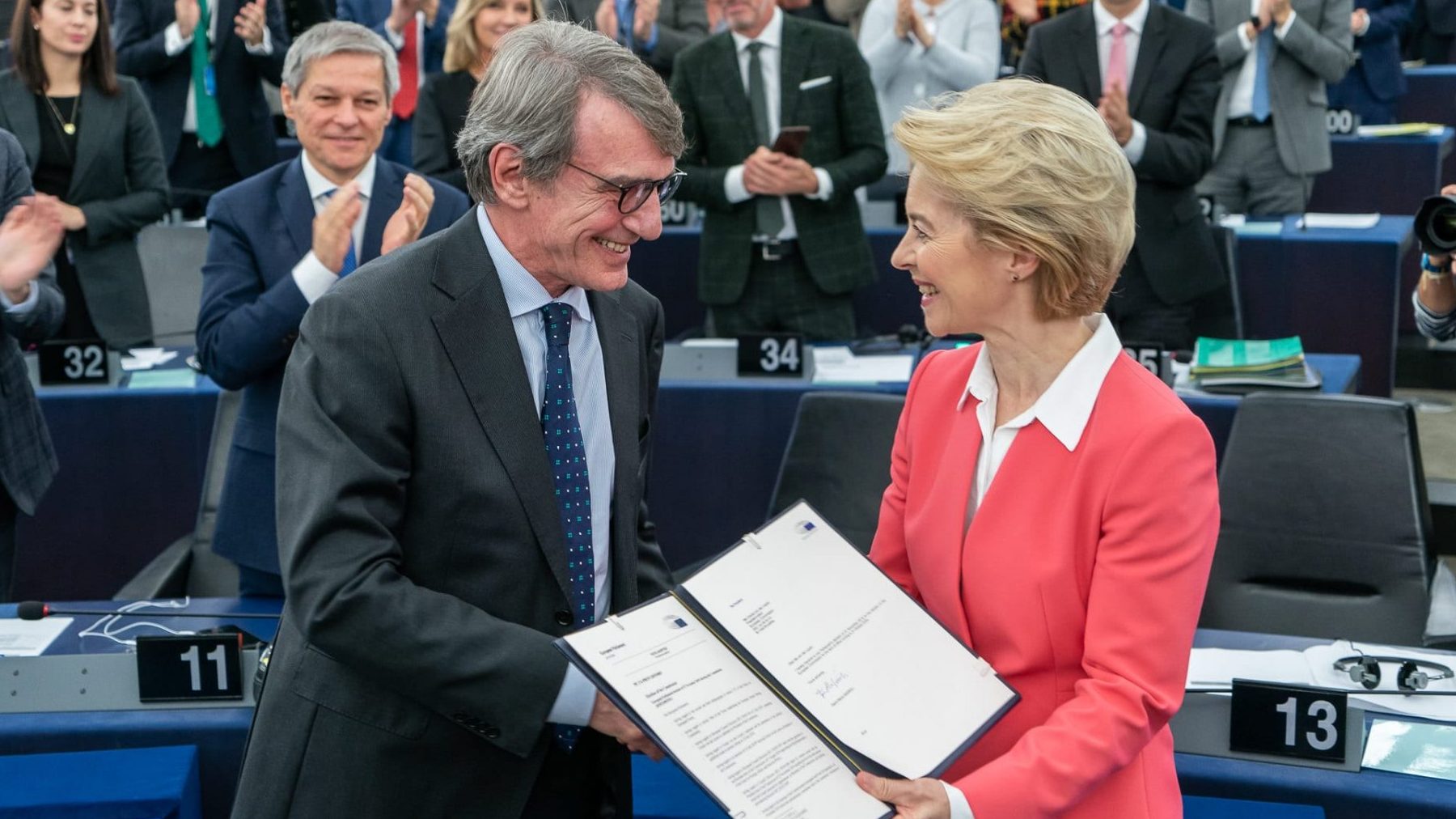
Öppna Kristdemokrater gratulerar tillsammans med våra europeiska partivänner i European Center-Right LGBT+ Alliance den nyvalda EU-kommissionen och uppmanar den att anta en heltäckande och ambitiös hbt+agenda.
Hbt+agendan måste inkludera fyra grundläggande områden:
- Anta antidiskrimineringsdirektivet
- Skydd mot hatbrott och hets
- Riv hindren för regnbågsfamiljers fria rörlighet
- Skydda utsatta grupper i asylprocessen
Du kan läsa hela European Center-Right LGBT+ Alliance’s gemensamma uttalandet nedan. Det kommer att sändas till EU-kommissionen och till utvalda ledamöter av Europaparlamentet.
Joint Statement regarding a comprehensive LGBT+ policy agenda 2019-2024
The European Centre-Right LGBT+ Alliance wishes to congratulate the European Commission on its election. We hope every Commissioner will do his/her utmost to make our European Union stronger and more inclusive. We would like to stress the importance of a comprehensive and ambitious LGBT+ agenda for the next five years. The following challenges should be considered priorities in the 2019-2024 period:
1. Approving the Non-Discrimination Directive: In 2008, the European Commission presented a proposal for a Council directive on implementing the principle of equal treatment outside the labor market, irrespective of age, disability, sexual orientation or religious belief, which aims at extending protection against discrimination through a horizontal approach. Here we also would like to add gender identity to recognise trans persons. However, as unanimity is required in the Council, the draft has remained blocked at that stage since then. In the political guidelines he presented in July 2014, the European Commission President, Mr. Juncker, specifically mentioned that he intended to maintain the proposal for a directive and to seek to convince national governments to give up their resistance in the European Council. However, this hasn’t happened the last five years. We urgently call upon the new European Commission to work with the EU members to lift this blockade in the Council.
2. Protection against hate crimes and hate speech: LGBT+ people are not protected by the 2008 Framework Decision, thus remaining vulnerable to attacks motivated by hate. Addressing this problem is especially relevant now, given the rise of hate speech and divisive rhetoric. We see more violations of the freedom of assembly and freedom of speech in the EU. We are also observing moves backwards where a small number of member states are reverting back to actively speaking out against or even to blocking any advancements on human rights and non-discrimination measures for LGBT+ people in the EU. A very worrying example can be found in Poland, where several local councils have proclaimed their commune “LGBT free”, reminding us of the darkest days of the 20th century.
In the area of online hate speech, the voluntary code of conduct has helped to improve the rates of taking down of online hate speech. But such initiatives need to be further strengthened by each member country and further action may be considered in the future.
3. Removing barriers to free movement of Rainbow Families: The 2018 CJEU judgement in the Coman case was an important step towards ensuring freedom of movement for same-sex couples, even if enforcement of the judgement is still necessary. However, beyond the judgement, barriers remain that need new legislation to be finally addressed. Proposals are needed to ensure mutual recognition of civil status documents (including legal gender recognition, marriages and registered partnerships) and their legal effects in order to reduce discriminatory legal and administrative barriers for citizens who exercise their right to free movement. Children in rainbowfamilies should have the same protection as children in different sex families. That´s why laws about parents and families should be gender neutral.
4. Protecting vulnerable groups in the asylum system: LGBT+ people are among the most vulnerable groups within the European asylum system. While current legislation and policies provide some protections at the EU level, these are insufficient. The reality remains that LGBT+ asylum seekers – whether fleeing persecution because of their identities or displaced for other reasons – often find themselves placed at risk and re-victimised by the very system that is supposed to protect them and offer safe refuge. The problems faced by LGBT+ asylum seekers are common across all Member States, especially when it comes to issues such as, access to specific healthcare, recognition of their identities, safe accommodation, detention, procedural elements, and determination of safe countries. Support from the Commission is needed to ensure that there is no backsliding on advancements in the Reform of the Common European Asylum System already made, and that the reform is quickly adopted and effectively implemented. We also believe it to be important that action will be taken against member countries who refuse to implement the reform agreed upon.”